Exercise Regularly : Published on Life With Wellness – A Journey to Holistic Health
Table of Contents
ToggleIn today’s fast-paced world, where stress levels are high and sedentary lifestyles are common, the importance of regular exercise for physical wellness cannot be overstated. Exercise is not just a tool for weight management; it is a vital component of overall health and well-being. This article will delve into the myriad benefits of regular physical activity, explore different types of exercises, and offer practical tips on how to integrate exercise into your daily routine.
Regular exercise is not just about losing weight or building muscle; it’s a vital part of a healthy lifestyle that benefits both the body and mind. Engaging in at least 30 minutes of moderate exercise five days a week can significantly improve your cardiovascular health, enhance muscle strength, boost flexibility, and enhance your overall well-being.
Physical wellness is one of the eight dimensions of wellness, encompassing the overall health of your body. It includes factors such as physical fitness, nutrition, sleep, and the absence of disease. Physical wellness is about more than just exercising; it also involves making healthy choices that support your body’s needs.
Regular exercise plays a crucial role in achieving and maintaining physical wellness. It helps to prevent chronic diseases, manage weight, and improve mental health. Understanding this connection is key to developing a sustainable exercise routine.
One of the most significant benefits of regular exercise is improved cardiovascular health. Engaging in aerobic activities strengthens the heart, allowing it to pump blood more efficiently. This leads to lower blood pressure, improved cholesterol levels, and reduced risk of heart disease.
Regular exercise is essential for maintaining a healthy weight. Physical activity burns calories, and when combined with a balanced diet, it can help prevent weight gain and promote weight loss. Additionally, exercise helps to build lean muscle mass, which increases metabolism.
Exercise strengthens bones and muscles, reducing the risk of osteoporosis and injuries. Weight-bearing activities, such as walking and weightlifting, stimulate bone formation, making bones denser and stronger.
Engaging in regular physical activity has been shown to boost the immune system. Moderate exercise can help flush bacteria out of the lungs and airways, increase circulation, and promote the release of antibodies and white blood cells, which play a critical role in fighting infections.


Exercise is a natural mood booster. Physical activity releases endorphins, the body’s natural feel-good hormones, which can help alleviate symptoms of anxiety and depression. Regular exercise also improves sleep quality, further contributing to better mental health.
Studies consistently show that regular exercise is associated with a longer lifespan. Engaging in physical activity reduces the risk of chronic diseases, which are major contributors to mortality.
Incorporating stretching and flexibility exercises into your routine helps maintain joint health and enhances overall mobility. This is particularly important as we age, as flexibility often decreases over time.
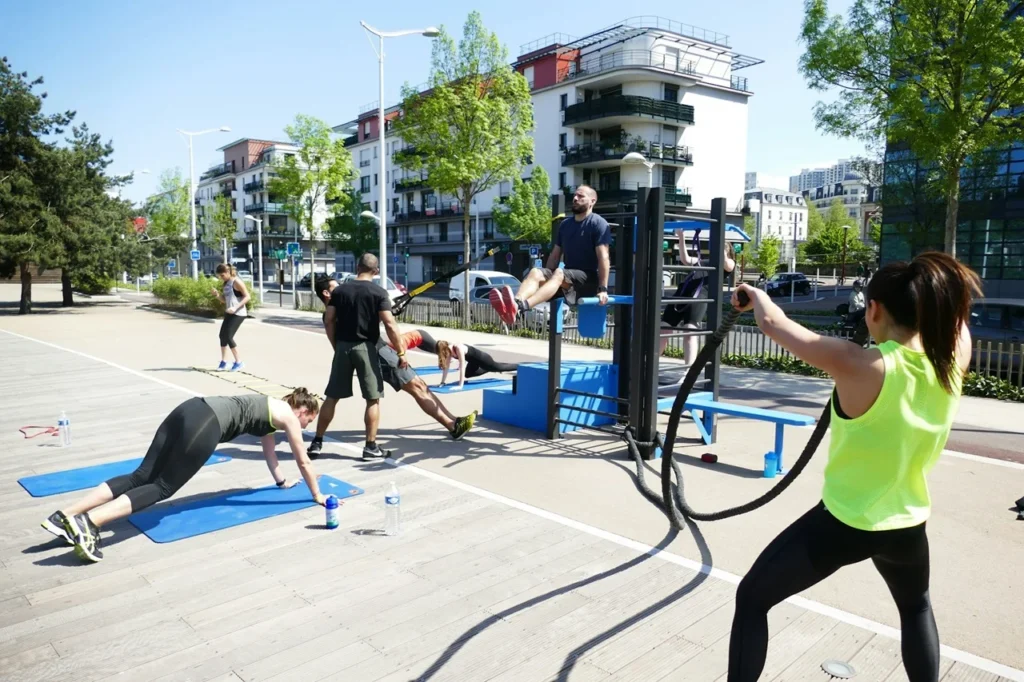
Joining group exercise classes or sports teams fosters social connections and a sense of community. Social engagement is essential for mental well-being and can enhance motivation to stay active.
Aerobic exercises, also known as cardiovascular exercises, are essential for improving heart health and endurance. These activities increase your heart rate and promote overall cardiovascular fitness.
Examples:
Strength training builds muscle mass and improves bone density. It involves using weights, resistance bands, or body weight to challenge your muscles.
Examples:
Flexibility exercises improve the range of motion of your joints and help prevent injuries. They are vital for maintaining mobility and functional fitness.
Examples:
Balance exercises are essential for preventing falls, especially in older adults. They enhance stability and coordination.
Examples:
Setting achievable and measurable goals is crucial for maintaining motivation. Start with small goals and gradually increase their complexity as you become more comfortable with your routine.
Choose exercises that you enjoy to make your routine more sustainable. Whether it’s dancing, hiking, or cycling, engaging in activities you love makes it easier to stick with your routine.
Treat your exercise sessions as appointments. Schedule them into your calendar and prioritize them as you would any important meeting.
Incorporate a variety of exercises into your routine to prevent boredom and work different muscle groups. This also reduces the risk of injury by preventing overuse of specific muscles.
Pay attention to how your body feels during and after exercise. If you experience pain or discomfort, adjust your routine or consult with a fitness professional to ensure you’re using proper form.
Exercising with friends or joining a class can enhance motivation and make workouts more enjoyable. The social aspect can also provide accountability.
One of the most common barriers to regular exercise is a perceived lack of time. However, even short bursts of activity can be beneficial. Aim for at least 150 minutes of moderate-intensity exercise each week, which can be broken down into smaller sessions.
Finding the motivation to exercise can be challenging. Set specific, achievable goals and track your progress to maintain motivation. Consider working out with a friend to increase accountability.
Many people feel intimidated when entering a gym. Start with home workouts or classes designed for beginners. Familiarize yourself with the equipment and ask staff for guidance if needed.
If you have physical limitations or chronic conditions, consult with a healthcare provider or a certified fitness trainer to develop a safe and effective exercise plan tailored to your needs.
Bad weather can deter outdoor exercise. Have a backup plan for indoor workouts, such as home workouts, yoga, or gym sessions.
Maintain Your Motivation
To keep your exercise routine enjoyable and sustainable, consider these tips:
To make exercise a regular part of your daily life, consider these strategies:
Track Your Progress: Use fitness apps or journals to log your workouts and stay motivated.
Exercise is an integral component of physical wellness. By understanding the benefits and types of exercises available, creating a sustainable routine, and overcoming common barriers, you can enhance your overall health and well-being. Remember that consistency is key; even small amounts of regular activity can lead to significant improvements in your physical wellness.
Incorporating exercise into your daily life doesn’t have to be daunting. Find activities you enjoy, set realistic goals, and make it a priority. Your journey to holistic health begins with a single step—take that step today!
Useful Links:
Life With Wellness offers practical guidance for a balanced, healthier life. Our mission is to inspire holistic well-being through insights on nutrition, fitness, mindfulness, and emotional health.