Incorporating whole foods like fruits, vegetables, nuts, seeds, and whole grains into your diet is a simple and effective way to nourish your body. These foods are rich in essential nutrients that support long-term health and help you feel your best. In contrast, processed foods, which often contain added sugars, unhealthy fats, and artificial ingredients, can harm your well-being. By focusing on whole, natural foods, you simplify your approach to eating and improve your overall health.
Whole foods are those that are minimally processed and close to their natural state. Examples include:
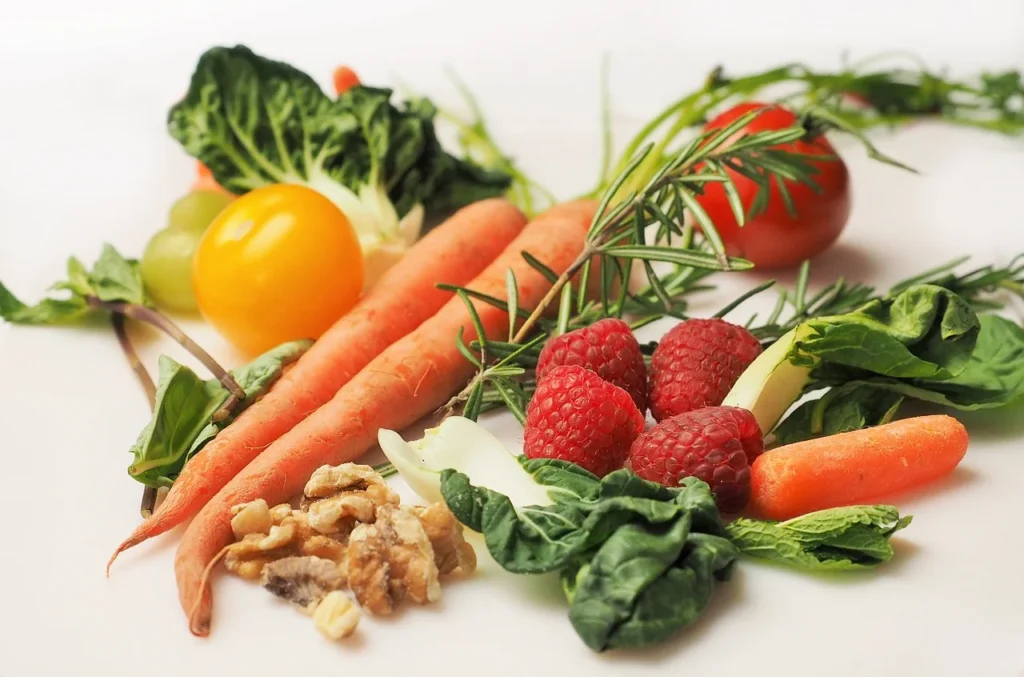
Fruits & Vegetables
Rich in vitamins, minerals, antioxidants, and fiber.
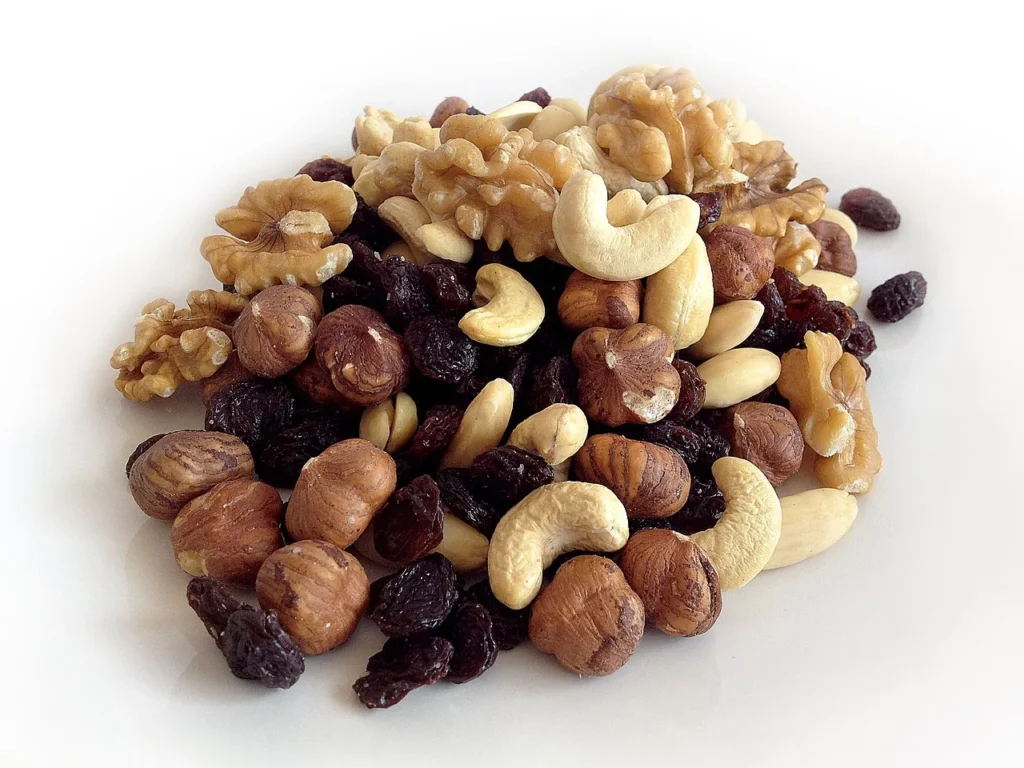
Nuts & Seeds
Excellent sources of healthy fats, protein, and fiber.
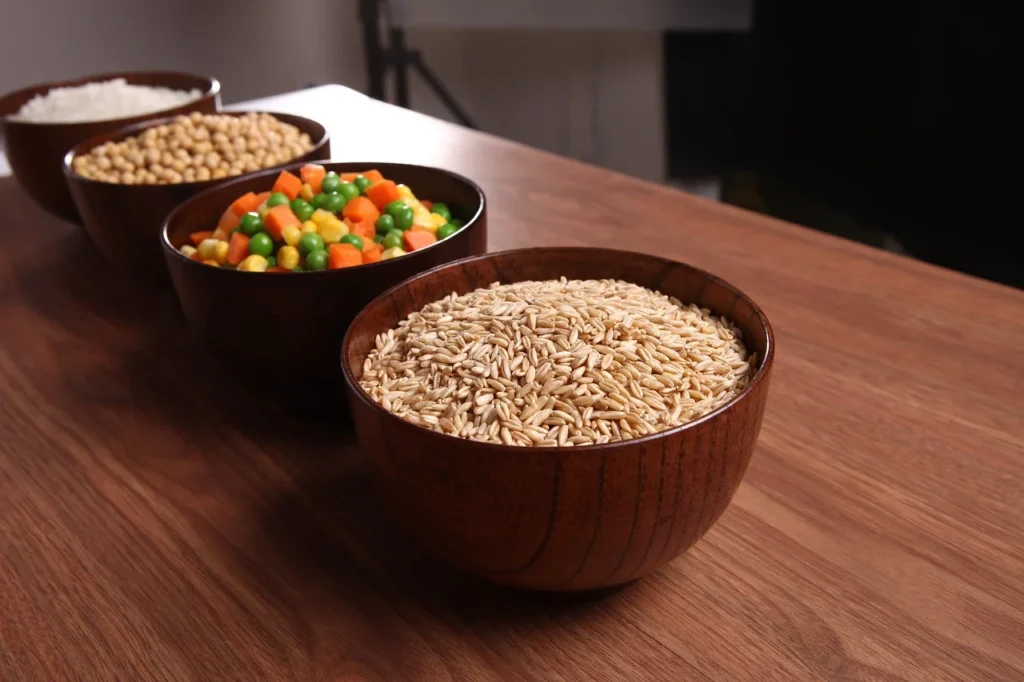
Whole Grains
Brown rice, quinoa, oats, and whole wheat are packed with fiber and nutrients.
Legumes
Beans, lentils, and chickpeas provide plant-based protein and fiber.
Benefits of Whole Foods
Switching to a diet rich in whole foods offers several health benefits:
Improved Digestion: High fiber content supports digestive health.
Better Energy Levels: Nutrient-dense foods provide sustained energy.
Weight Management: Whole foods help curb cravings and promote fullness.
Lower Risk of Disease: A whole food diet reduces the risk of conditions like heart disease, diabetes, and some cancers.
Why Avoid Highly Processed Foods?
Highly processed foods often contain harmful ingredients such as added sugars, unhealthy fats, and artificial ingredients. These additives can contribute to weight gain, inflammation, and increase the risk of heart disease and other health issues. Choosing whole foods instead helps maintain optimal health by providing natural nutrients and reducing harmful substances in your diet.
Added Sugars: Found in sodas, snacks, and pre-packaged foods, added sugars contribute to weight gain and inflammation.
Unhealthy Fats: Trans fats and some saturated fats raise cholesterol levels and increase the risk of heart disease.
Artificial Ingredients: Chemical additives, preservatives, and colorings may lead to health issues over time.
Simple Whole Food Recipes
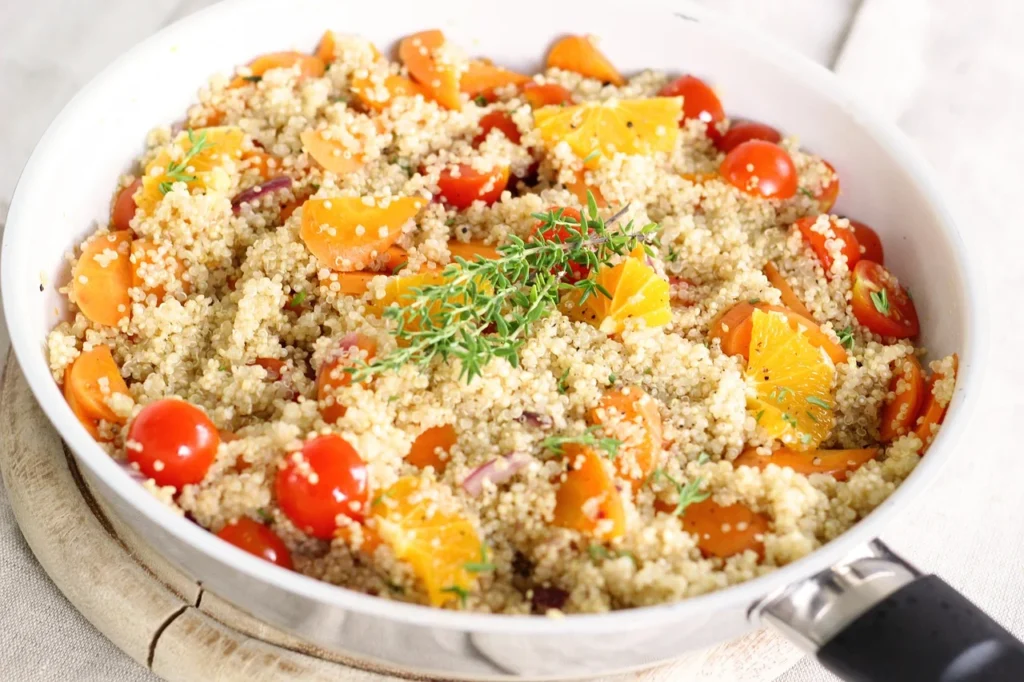
Quinoa & Veggie Stir-Fry
A nutrient-packed, flavorful dish loaded with colorful veggies and protein-rich quinoa.
Berry & Nut Smoothie
A refreshing blend of fresh berries, almonds, and seeds for a filling breakfast or snack.
Chickpea Salad
A hearty and wholesome salad combining chickpeas, fresh greens, and a tangy lemon dressing.
Conclusion
Incorporating more whole foods into your diet offers numerous health benefits, from improved digestion to reduced disease risks. By focusing on nutrient-dense, unprocessed foods like fruits, vegetables, nuts, seeds, and whole grains, you can nourish your body while avoiding the negative effects of highly processed foods. Making mindful food choices helps support your long-term health and well-being. Start small, and gradually shift towards a whole foods-based diet to feel the positive impact on your overall health.