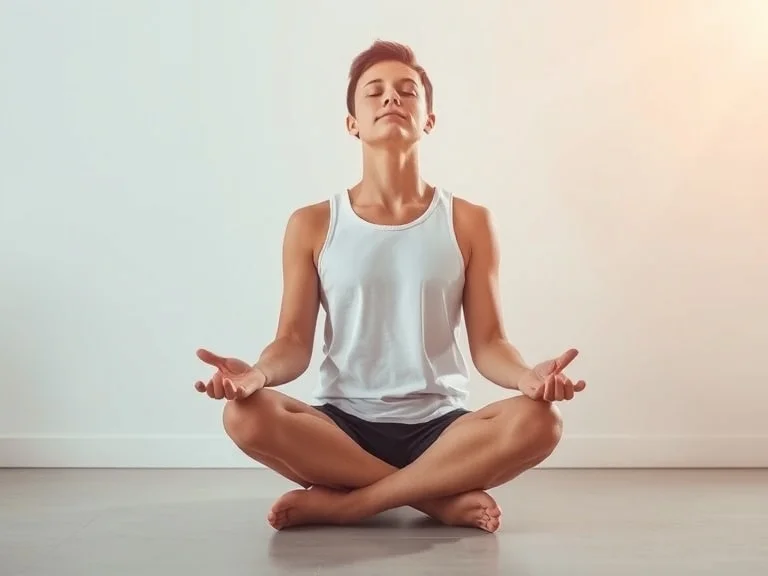
Stress management is crucial for mental wellness. Incorporate techniques such as deep breathing, meditation, or even physical activity to reduce stress and maintain balance. Relaxation techniques such as deep breathing, meditation, and mindfulness to reduce the toll that stress takes on your body.
Understanding Stress and Its Impact on Health
Stress is an unavoidable part of life. Whether it’s related to work, relationships, finances, or other areas of life, stress is something everyone experiences. But when stress becomes chronic, it can have profound effects on our mental, physical, and emotional health. Managing stress effectively is essential to maintaining balance and wellbeing. In this article, we explore the science behind stress, the various types of stressors, and effective methods to manage and reduce stress.
What is Stress? The Science Behind the Body’s Response
When faced with a challenging situation, the body responds by releasing hormones like adrenaline and cortisol, which trigger the “fight or flight” response. This response evolved as a survival mechanism to help humans react to immediate dangers. While it’s helpful in the short term, prolonged stress can lead to various health problems, including high blood pressure, heart disease, depression, and anxiety.
Types of Stress and Their Effects
Acute Stress: The body’s immediate reaction to a new and challenging situation.
Chronic Stress: Persistent stress that can take a toll on mental and physical health.
Episodic Acute Stress: Frequent episodes of acute stress, often experienced by individuals with a “Type A” personality.
Each type affects the body differently, with chronic stress being the most harmful. Recognizing the type of stress you’re experiencing is the first step toward effective management.
Recognizing Stress Triggers
Identifying what triggers your stress is a vital part of managing it. Common stressors include work, relationships, financial issues, health concerns, and environmental factors. By recognizing and addressing these triggers, you can begin to take steps to reduce their impact.
The Impact of Stress on Your Body
Chronic stress can have numerous negative effects on both your physical and mental health. Left unmanaged, stress can lead to conditions such as:
Heart Problems: Stress increases blood pressure, which can lead to heart disease.
Digestive Issues: Prolonged stress can cause problems like stomachaches, constipation, or diarrhea.
Sleep Disruption: Stress often makes it difficult to fall asleep or stay asleep, leading to insomnia.
Weakened Immune System: Stress reduces the body’s ability to fight off infections and recover from illnesses.
Relaxation Techniques to Manage Stress
Mindfulness Meditation: Finding Peace in the Present Moment
Mindfulness meditation involves focusing on the present moment without judgment. This practice is one of the most effective ways to manage stress, as it helps individuals become more aware of their thoughts and emotions without becoming overwhelmed by them. Practicing mindfulness for even a few minutes a day can lower stress levels significantly.
Steps to Practice Mindfulness:
Find a quiet space.
Sit or lie down comfortably.
Close your eyes and take a few deep breaths.
Focus on your breath, paying attention to the sensation of air moving in and out.
When thoughts arise, acknowledge them, but gently bring your focus back to your breath.
Breathing Exercises to Reduce Stress Instantly
Breathing exercises are a quick and effective way to reduce stress. By regulating your breath, you activate the parasympathetic nervous system, which helps calm the body and mind.
Popular Breathing Techniques:
4-7-8 Breathing: Inhale for four counts, hold for seven, and exhale for eight.
Box Breathing: Inhale for four counts, hold for four, exhale for four, and hold again for four.
Diaphragmatic Breathing: Deep belly breathing that encourages full oxygen exchange.
Embrace Mindfulness in Everyday Life
Mindfulness is the practice of being fully present in each moment. Here are some tips to make mindfulness part of your daily routine:
Morning Routine: Start your day with a few minutes of mindful breathing before jumping into your daily activities.
Take Short Breaks: Take short breaks throughout the day to check in with your breath and body.
Mindful Eating: Pay attention to the taste, texture, and aroma of your food to enjoy your meals more fully.
Evening Reflection: End your day by reflecting on positive moments that occurred and taking note of things you are grateful for.
The Role of Physical Activity in Stress Management
Exercise is one of the most effective ways to reduce stress. Physical activity stimulates the production of endorphins, the body’s natural mood lifters. It also helps improve sleep quality, which is often disrupted by stress. Even a 20-minute walk can have profound stress-relieving benefits.
What you eat can impact your stress levels. Foods rich in antioxidants, vitamins, and minerals can help mitigate the effects of stress by improving immune function, mood, and energy levels.
Poor sleep and stress often go hand in hand. When we’re stressed, it’s harder to fall and stay asleep, and lack of sleep further exacerbates stress. Maintaining a consistent sleep schedule, creating a restful environment, and avoiding caffeine late in the day can significantly improve sleep quality.
Tips for Better Sleep:
Stick to a consistent sleep schedule.
Limit exposure to screens before bedtime.
Practice a relaxing bedtime routine, such as reading or listening to calming music.
Social Connections: The Power of Relationships in Stress Relief
Having a strong support network is essential in managing stress. Social connections provide emotional support, allow us to share our feelings, and offer different perspectives on stressful situations. Whether it’s friends, family, or support groups, maintaining meaningful relationships can help reduce stress.
Ways to Strengthen Social Connections:
Spend quality time with loved ones.
Join a club or community group.
Use technology to stay connected with distant friends.
Mindful Journaling: A Therapeutic Tool for Stress Management
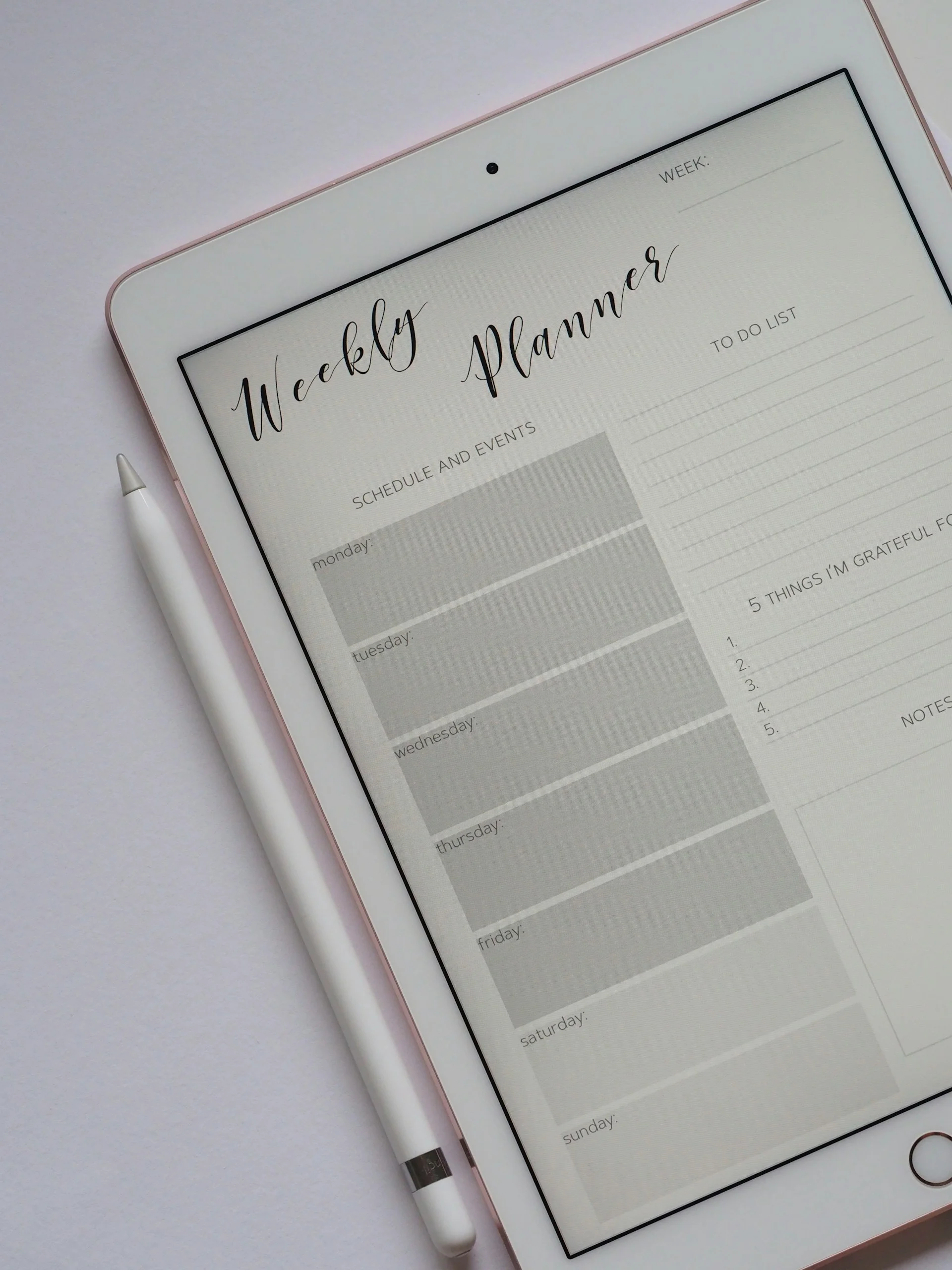
Journaling allows individuals to process their thoughts and emotions, which can help reduce stress. By putting thoughts on paper, it becomes easier to gain perspective and release pent-up emotions. Regular journaling also helps identify recurring stress patterns.
Tips for Effective Journaling:
Write freely without worrying about grammar or structure.
Focus on both positive and negative emotions.
Reflect on the day and identify any stress triggers.
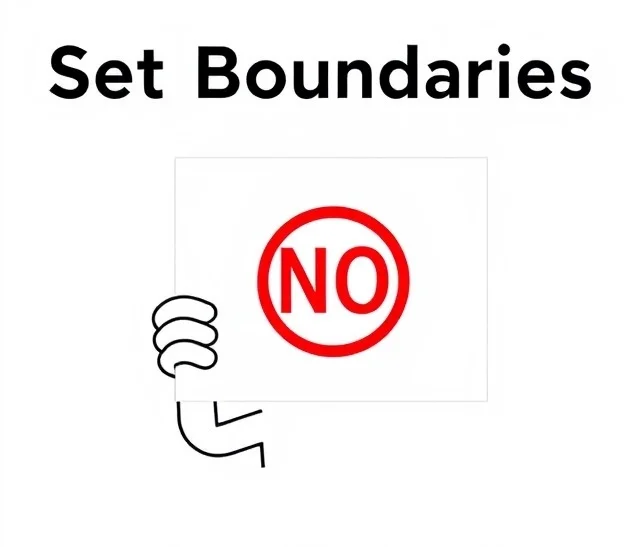
Setting Boundaries: Learning to Say No
Learning to say “no” can be one of the most challenging yet liberating skills for managing stress. Taking on too many responsibilities can lead to burnout. By setting boundaries, you ensure that you have the time and energy for yourself and the things that truly matter.
How to Set Boundaries Effectively:
Be clear about your limits.
Practice assertive communication.
Remember that saying “no” to others means saying “yes” to yourself.
Nature Therapy: The Calming Power of the Outdoors
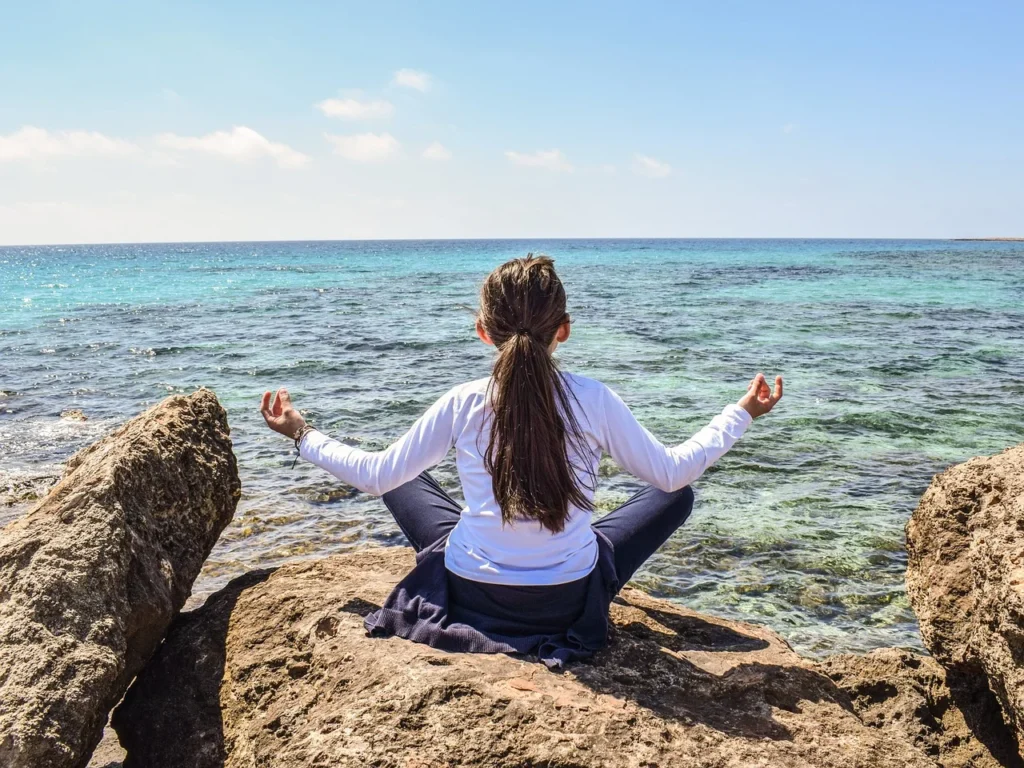
Spending time in nature has been shown to reduce stress levels. Nature has a grounding effect, helping individuals reconnect with the present moment and gain perspective. Whether it’s a hike, a walk in the park, or simply sitting by the ocean, nature therapy can be an incredibly calming experience.
Benefits of Nature Therapy:
Reduces cortisol levels.
Improves mood and mental clarity.
Enhances overall wellbeing.
The Importance of a Positive Mindset
A positive mindset can make a significant difference in how you experience stress. By practicing gratitude, focusing on solutions rather than problems, and maintaining optimism, you can improve your resilience against stress.
Ways to Cultivate a Positive Mindset:
Practice daily gratitude.
Reframe challenges as opportunities.
Focus on personal growth rather than perfection.
Professional Help: When to Seek Assistance
While self-care practices are essential, there are times when professional help is necessary. If stress becomes overwhelming and begins to affect your daily life, it may be helpful to seek guidance from a counselor, therapist, or mental health professional. Therapy can provide coping mechanisms, and talking through your feelings can be extremely therapeutic.
Types of Professional Help:
Cognitive Behavioral Therapy (CBT)
Counseling
Support groups
Conclusion: Embracing Stress Management as a Lifestyle
Managing stress is not about eliminating it altogether, but about finding healthy ways to cope with life’s challenges. By incorporating practices like mindfulness, exercise, proper nutrition, and social connection, you can find balance and resilience. Remember, managing stress is an ongoing journey, and with the right tools, you can navigate it with confidence and grace.