Health is our most valuable asset, yet many people only seek medical care when they fall sick. Preventive healthcare takes a different approach by encouraging proactive steps to avoid disease and maintain overall well-being. Rather than waiting for symptoms to arise, preventive care helps people detect potential health issues early, improve their quality of life, and extend longevity.
This article dives into the significance of preventive healthcare, different strategies you can adopt, and how staying proactive aligns with the principles of holistic health.
What is Preventive Healthcare?
Preventive healthcare refers to the medical practices and lifestyle strategies aimed at preventing diseases rather than treating them. It focuses on early intervention, timely screenings, healthy behaviors, and vaccinations to reduce the risk of chronic illnesses and other health problems. This proactive approach shifts the focus from “sick care” to true healthcare, promoting long-term well-being.
The Importance of Preventive Healthcare
The shift towards preventive healthcare is essential for reducing the burden of chronic diseases like heart disease, diabetes, and cancer. Many of these conditions are preventable or manageable through early detection and healthy living. By identifying risks and addressing them before they develop into serious issues, individuals can improve their quality of life, reduce healthcare costs, and ensure longevity.
Types of Preventive Care
Primary Prevention
Primary prevention aims to stop diseases from developing in the first place. This involves adopting healthy habits like exercising, eating nutritious food, and quitting smoking. Vaccinations also play a crucial role in preventing infections.
Secondary Prevention
Secondary prevention focuses on early detection and intervention. Routine checkups, diagnostic tests, and screenings help catch potential issues early, allowing for timely treatment. Examples include mammograms for breast cancer or regular blood sugar tests for diabetes.
Tertiary Prevention
Tertiary prevention involves managing existing diseases to prevent complications and improve outcomes. This could mean following prescribed medications, undergoing rehabilitation, or making lifestyle adjustments to manage conditions like hypertension or arthritis.
Benefits of Staying Proactive with Your Health
Improved Quality of Life: Preventing disease ensures that you feel your best and can enjoy life to the fullest.
Cost Savings: Regular screenings and preventive measures are less costly than treating advanced diseases.
Increased Lifespan: Preventive healthcare reduces the risk of fatal diseases, promoting a longer life.
Less Stress: Knowing that you are in control of your health reduces anxiety and promotes mental well-being.
Enhanced Productivity: Healthy individuals are more productive in their personal and professional lives.
Common Preventive Health Measures
Regular Checkups and Screenings
Annual checkups and routine screenings help detect potential health problems early. Common preventive screenings include:
Blood pressure monitoring
Cholesterol tests
Blood sugar tests for diabetes
Cancer screenings (e.g., mammograms, colonoscopies)
Vaccinations
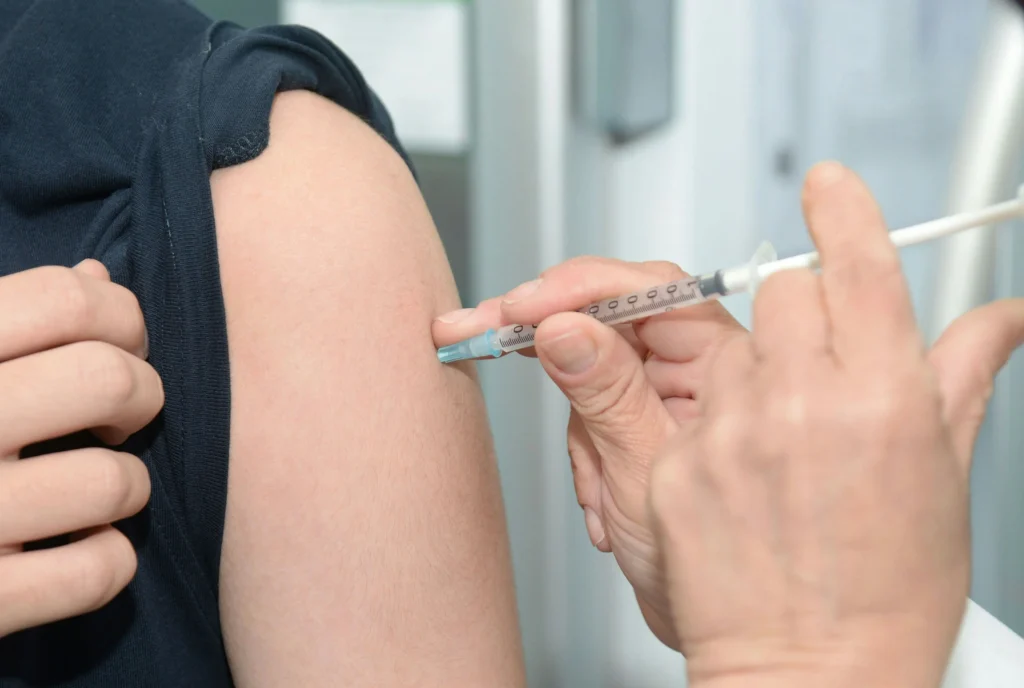
Vaccinations protect against infectious diseases like influenza, COVID-19, and measles. Staying updated with recommended vaccines is essential for people of all ages, especially for children, the elderly, and individuals with compromised immune systems.
Vaccinations are an important part of preventive healthcare. They protect you from serious diseases and help stop the spread of infections in the community:
Protects Your Health: Vaccinations reduce the risk of contracting potentially life-threatening diseases.
Community Immunity: Getting vaccinated helps protect those who cannot get vaccinated, such as infants and individuals with weakened immune systems.
Prevention of Disease Outbreaks: Vaccines play a vital role in preventing outbreaks of diseases like measles, flu, and other contagious conditions.
Healthy Nutrition
A balanced diet is key to disease prevention. Eating a variety of fruits, vegetables, whole grains, and lean proteins ensures you receive essential nutrients to support your immune system and prevent chronic diseases like diabetes, hypertension, and heart disease.
Exercise improves cardiovascular health, strengthens muscles, and boosts mental well-being. The World Health Organization recommends at least 150 minutes of moderate aerobic activity or 75 minutes of vigorous activity per week to maintain good health.
Chronic stress contributes to various health problems, including hypertension and depression. Engaging in stress-relief practices like meditation, yoga, or deep breathing can improve both physical and mental health.
Barriers to Preventive Healthcare and How to Overcome Them
Despite the benefits, several barriers prevent people from accessing preventive care. These include:
Lack of Awareness: Many people are unaware of the importance of preventive care or what screenings they need.
Cost and Accessibility: High healthcare costs and limited access to medical facilities can deter preventive visits.
Time Constraints: Busy schedules make it difficult for individuals to prioritize health checkups.
Cultural Barriers: In some cultures, people may avoid preventive care due to stigmas or traditional beliefs.
How to Overcome Barriers:
Increase Awareness: Education campaigns and health awareness initiatives can inform people about the benefits of preventive care.
Make Time for Health: Prioritize health by scheduling checkups and physical activity into your daily routine.
Use Technology: Take advantage of telemedicine and wearable devices to stay on top of your health.
Why Regular Check-Ups Matter
Regular health check-ups are essential for maintaining good health and preventing diseases. They allow healthcare professionals to identify potential health issues before they become serious.
Early Detection: Screenings can help detect diseases such as cancer, diabetes, or cardiovascular conditions early, improving the chances of successful treatment.
Prevention: Vaccinations and screenings help prevent diseases and ensure that you stay protected against various illnesses.
Customized Health Plan: Regular visits to your healthcare provider enable them to tailor a healthcare plan suited to your specific needs, including diet, exercise, and stress management advice.
Creating a Personalized Preventive Care Plan
Everyone’s preventive care needs are different. Creating a personalized plan ensures you address your specific health risks and lifestyle. A few steps to create your plan include:
Consult with a Healthcare Professional: Get a baseline evaluation of your health status.
Understand Your Family History: Identify genetic risks for certain conditions.
Set Health Goals: Whether it’s improving fitness or managing stress, set realistic and measurable goals.
Track Progress: Use tools like journals or fitness apps to track your efforts and results.
Adjust as Needed: Regularly review and update your plan with your healthcare provider based on progress and new health insights.
Conclusion
Preventive healthcare is the foundation of holistic well-being. By staying proactive and taking steps to prevent illness, you can enjoy a healthier, longer, and more fulfilling life. Incorporating regular checkups, healthy eating, physical activity, and stress management into your routine ensures that you not only avoid disease but also thrive physically and mentally. Embrace the power of prevention today and take control of your health journey.